
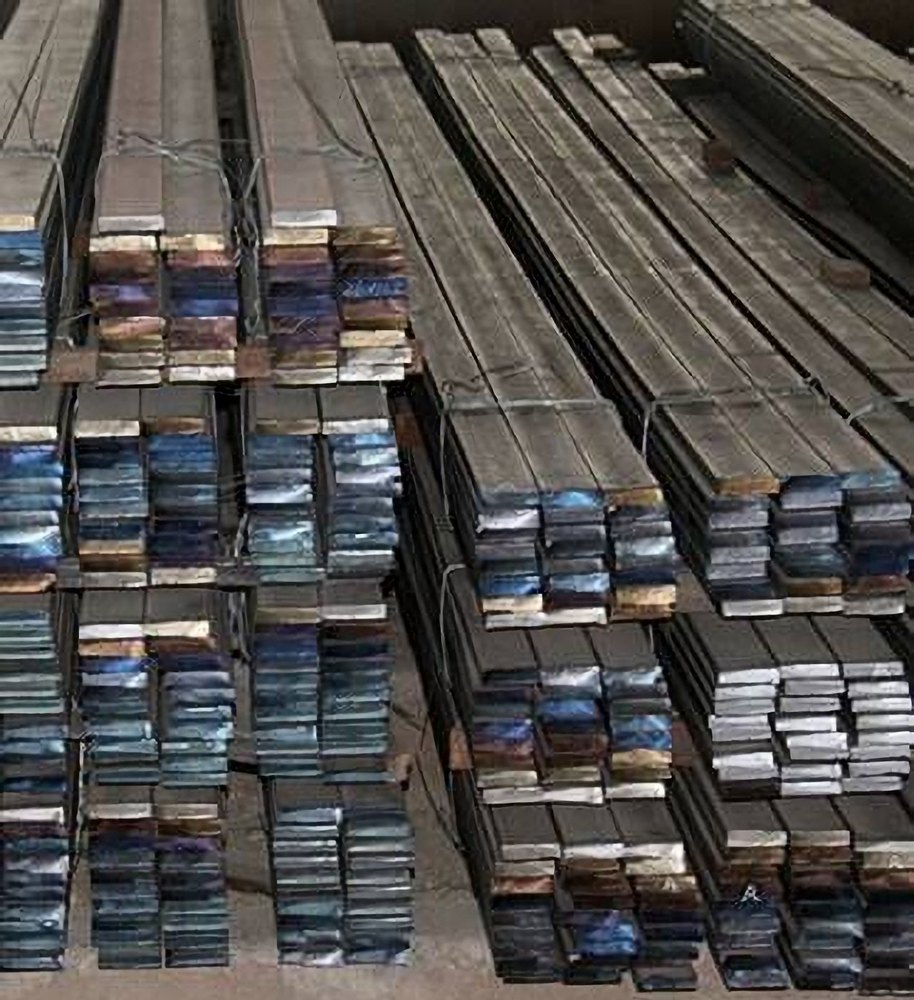
Grade EN36
EN36 is a nickel–chromium–molybdenum alloy steel designed for high-strength, high-toughness applications where components must withstand heavy mechanical loads, impact, and fatigue. It is widely used in automotive, heavy engineering, and industrial machinery sectors. EN36 provides excellent wear resistance, ductility, and hardenability, making it suitable for gears, shafts, and structural components.
Key Properties of EN36 Steel
1. High Tensile Strength & Hardness
a. Tensile strength (normalized): 850–1000 MPa
b. Hardened & tempered: 40–50 HRC
c. Induction hardened surfaces: up to 55 HRC
2. Excellent Toughness & Fatigue Resistance
Suitable for parts exposed to cyclic loads, impact, and torsion.3. Good Wear Resistance
Chromium and molybdenum provide strong abrasion resistance in mechanical components.4. Deep Hardenability
Maintains uniform hardness in thick sections, ideal for shafts, axles, and gear blanks.5. Good Machinability
Machinable in the normalized or annealed condition; becomes harder to machine after heat treatment.6. Moderate Weldability
Preheating and post-weld heat treatment required due to alloy content.Typical Applications of EN36
EN36 is widely used in automotive, aerospace, power transmission, and industrial machinery applications. Common components include:
1. Gear shafts, pinions & heavy-duty gears
2. Crankshafts, camshafts & connecting rods
3. Axles, spindles & propeller shafts
4. High-strength studs, bolts & fasteners
5. Drive shafts & couplings
6. Industrial machine components
7. Press tools & dies
8. Agricultural and construction machinery parts
9. Mining and heavy-duty mechanical components