
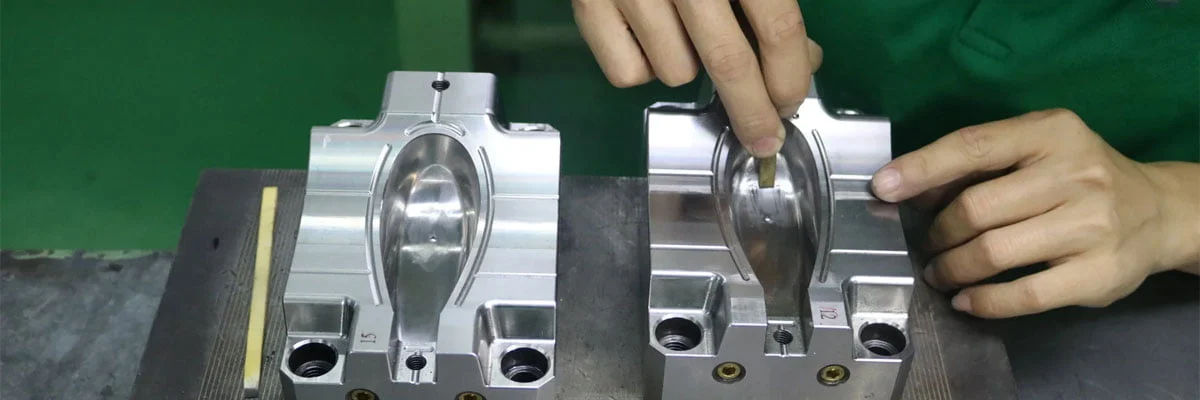
Toy injection moulds place a unique combination of demands on tool steel: fine surface detail for colourful, character-driven parts, strict food and child-safety expectations because the finished part will end up in a child's hands or mouth, very high cavity counts for mass-production economics, and moulds that get cleaned and sanitised far more often than typical industrial tooling. Purohit Steel supplies toy mould steel across this full requirement set — from general-purpose pre-hardened P20 grades to corrosion-resistant stainless mould steel — so toy manufacturers and mould makers can match the grade to the part rather than compromise on finish, safety or tool life.
This guide explains what actually matters when selecting toy mould steel and gives a straight decision table mapping toy mould type to the recommended Purohit Steel grade, with links through to full technical data on each grade page.
Table of Contents
- 1. What Matters When Choosing Toy Mould Steel
- 2. Why Purohit Steel for Toy Mould Steel
- 3. Which Grade Should You Choose
- 4. Hardness & Wear Resistance
- 5. Polishability & Mirror Finish
- 6. Corrosion Resistance & Hygiene
- 7. Machinability & Lead Time
- 8. Beyond Toy Moulds
- 9. Applications & Industries
- 10. Related Products
- 11. Authorized Stockist Brands
- 12. Cities We Supply in India
- 13. Our Services
- 14. Frequently Asked Questions
- 15. About Purohit Steel
- Our Certifications
- Countries We Export Worldwide
- Export Packaging & Shipping
- Quality Inspection & Testing
- Latest Price List
- MOQ & Payment Terms
- People Also Search For
What Matters When Choosing Toy Mould Steel
Toy mould steel has to satisfy a demanding, safety-conscious set of requirements at once, and the relative weight of each depends on the toy, the material and the production volume:
- Fine surface detail & high-polish finish: Toys are cosmetic, colourful products — cavities need to reproduce fine detail cleanly and take a high polish so painted or bare plastic surfaces look flawless.
- Food & child-safety compliance: Since the finished part will be handled, chewed and mouthed by children, the steel and the finish it produces must support materials and processes that meet food/child-contact safety expectations.
- High cavity counts for mass production: Toy tooling is frequently built with many cavities per mould block to hit mass-production economics, so uniform hardness and consistent machining behaviour across a large block matter.
- Corrosion resistance for cleaning cycles: Toy moulds are cleaned and sanitised far more often than typical industrial tooling, which puts sustained stress on unprotected cavity surfaces.
- Durability over long production runs: Toy programmes often run for years across multiple seasons, so wear resistance and dimensional stability need to hold up over very high shot counts.
Getting this balance wrong shows up later as scuffed or dull toy surfaces, rust pitting from repeated cleaning, inconsistent cavity-to-cavity finish on multi-cavity blocks, or premature mould wear on high-volume toy programmes.
Why Purohit Steel for Toy Mould Steel
- Full Range, One Supplier: General-purpose, high-polish and corrosion-resistant toy mould steel grades all stocked under one roof
- Ready Stock: Round bar, flat bar and block sizes held in inventory for immediate dispatch
- ISO-Certified Quality: Documented quality management since 1965
- Authorized Stockist: Sourced through globally reputed manufacturers, including NLMK Verona and SeAH CSS
- Value-Added Machining: In-house bandsaw cutting, precision machining, grinding, drilling, gun drilling, EDM and wire-cut
- Technical Support: Grade-selection guidance based on cavity count, finish requirement and food/child-safety needs
- Pan-India & Export Supply: Warehousing in Vasai with a sales outlet in Mumbai, serving customers across India and international markets
Which Grade Should You Choose — Toy Mould Type to Recommended Grade
Use the table below as a starting point, then confirm against the specific plastic, finish and cleaning requirements on each grade's full technical page.
| Requirement | Recommended Grade | Why This Grade |
|---|---|---|
| General-purpose toy injection moulds, medium runs | Grade 1.2311 (P20) | Pre-hardened 280-325 HB, good machinability, lowest cost of the toy mould steel range |
| Large multi-cavity mould blocks | Grade 1.2738 (P20+Ni) | Nickel addition gives excellent hardenability and uniform hardness through thick, multi-cavity blocks |
| Corrosion resistance, food/child-contact-safe plastics | Grade 1.2083 ESR | ESR-refined ~13% Cr stainless-type steel, cleanest microstructure, best polish and corrosion resistance |
| Premium stainless, mirror-polish finish for high-gloss toy parts | Grade VR16 / VR16 HH | Stainless martensitic mould steel engineered for consistent mirror-polish and corrosion resistance |
| Die-cast metal toy components | Grade H13 / 1.2344 ESR | Hot-work chromium tool steel with the thermal fatigue and toughness needed for die-cast metal toy parts |
| Stamping/blanking dies for thin metal toy parts | Grade D2 | High-carbon, high-chromium cold-work steel with excellent wear resistance for stamping and blanking dies |
This is a general guide, not a substitute for reviewing the full chemical composition and mechanical property data on each grade page before finalising a specification.
Hardness & Wear Resistance
Toy manufacturing is a mass-production business, and tooling for it is frequently built with high cavity counts to hit per-part cost targets. That means every cavity in a block needs to hold consistent hardness over an extremely long production run — hundreds of thousands to millions of shots across the life of a toy programme. Pre-hardened grades such as 1.2311 and 1.2738 supply roughly 280-330 HB uniformly through the block, so wear resistance doesn't taper off between the surface and the core of a large multi-cavity mould. For die-cast metal toy components and thin-part stamping dies, harder wear-focused grades such as H13/1.2344 ESR and D2 give the surface hardness needed to resist abrasive wear from metal forming and die-casting cycles.
Polishability & Mirror Finish
Toy surface aesthetics matter more than in most industrial mould applications — bright colours, character detailing and paint or coating adhesion all depend on a cavity that polishes cleanly and consistently. This is where a clean, inclusion-free microstructure counts: ESR (Electro-Slag Remelting) refining removes non-metallic inclusions and produces a more homogeneous structure than conventionally melted steel, which is why 1.2083 ESR and H13/1.2344 ESR take an excellent, defect-free polish. For the highest-gloss toy parts, VR16 and VR16 HH stainless mould steel are engineered specifically for consistent mirror-polish finish, which also improves adhesion for painted or coated toy surfaces. Standard 1.2311 and 1.2738 take a good working polish and suit functional and textured toy parts where mirror-grade finish is not required.
Corrosion Resistance & Hygiene
Toy moulds are cleaned and sanitised on a far more frequent cycle than typical industrial tooling, and toy parts are frequently in direct or repeated contact with children. Base Cr-Mn-Mo mould steels such as 1.2311 and 1.2738 have limited inherent corrosion resistance, which is fine for benign commodity resins processed in a dry environment but becomes a real risk with:
- Frequent cleaning and sanitising cycles, where repeated exposure to cleaning chemicals and moisture attacks unprotected tool steel surfaces over time.
- Food/child-contact-safe plastics, which demand a mould material and surface finish that supports hygienic, safe production without rust pitting or contamination risk.
- Humid plant environments and water-cooled tooling, where cooling channels in a base steel are prone to rust and scale build-up.
For these situations, step up to a corrosion-resistant grade: 1.2083 ESR for maximum corrosion resistance, polish and food/child-contact safety, or VR16 / VR16 HH stainless mould steel for premium mirror-polish toy parts that also need to withstand repeated hygiene cycles.
Machinability & Lead Time
Because 1.2311, 1.2738, 1.2083 ESR, VR16 and VR16 HH all arrive pre-hardened, toy mould makers can rough and finish-machine cavities directly, without waiting on a heat-treatment cycle or managing the distortion risk that comes with post-machining hardening. This keeps project lead times predictable, which matters for toy programmes tied to seasonal launch windows. H13/1.2344 ESR and D2 are supplied in a machinable annealed or pre-hardened condition suited to their respective die-casting and stamping-die applications.
Standard HSS or coated carbide tooling at moderate cutting speeds works well across this hardness range; adequate coolant is recommended to avoid locally tempering the pre-hardened surface during heavy cuts.
Beyond Toy Moulds
The same grades used for toy mould tooling — particularly 1.2311, 1.2738 and 1.2083 ESR — are also the standard choice for general consumer-goods and packaging moulds, since the underlying requirements (pre-hardened machinability, good polish, moderate to high corrosion resistance) overlap closely with toy tooling. If your requirement sits closer to general plastic mould tooling than toy-specific applications, see our broader guide to plastic mould steel for the full grade range.
Applications & Industries
- Plastic toy injection mould cavities, cores and bases
- Die-cast metal toy components
- Packaging tooling for toy products
- Consumer durables and household product moulds
- High-cavity-count blocks for mass-production toy runs
- Textured and high-gloss cosmetic toy-part cavities
- Stamping and blanking dies for thin metal toy parts
Industries We Serve
- Toy manufacturing industry
- Plastic injection moulding industry
- Die-casting industry
- Packaging manufacturing
- Consumer goods production
- Engineering & tooling workshops
Authorized Stockist



Toy Mould Steel Supply Locations Across India
We supply toy mould steel across major industrial cities including Mumbai, Pune, Khopoli, Nashik, Aurangabad, Navi Mumbai, Palghar, Umbergaon, Vapi, Valsad, Daman, Vadodara, Ahmedabad, Rajkot, Hyderabad, Bangalore, Chennai, Cochin, Delhi, Gurgaon, Manesar and Sonipat — as well as to export markets.
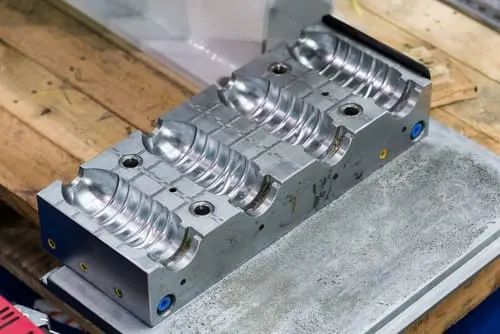
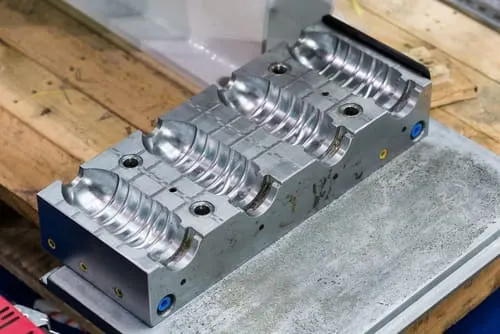
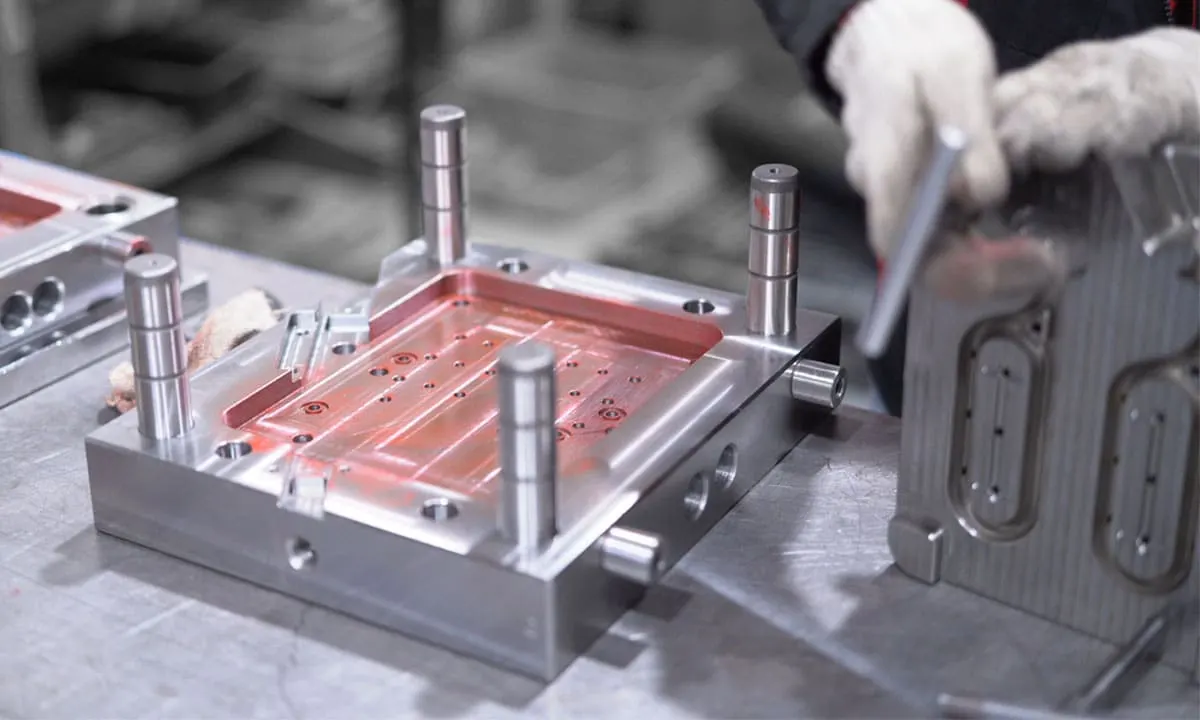
Our Steel Products
Our Services
Frequently Asked Questions
About Purohit Steel
Purohit Steel was established in 1965 by Shree Bherumalji Rajpurohit, a visionary in metallurgy. Over the decades, we have built a strong reputation as a trusted stockist and exporter of tool steel, plastic mould steel and engineering steel products across India.
As an ISO-certified company, we source premium materials from globally reputed manufacturers and operate a modern warehousing facility in Vasai along with a sales outlet in Mumbai, enabling efficient storage, fast processing and timely delivery across India and export markets.
Read more about Purohit Steel, view our certifications, or get in touch with our technical sales team.
Our Certifications
Purohit Steel operates as an ISO-certified company, backed by documented quality management, safety and compliance certifications that support reliable supply to domestic and export customers.
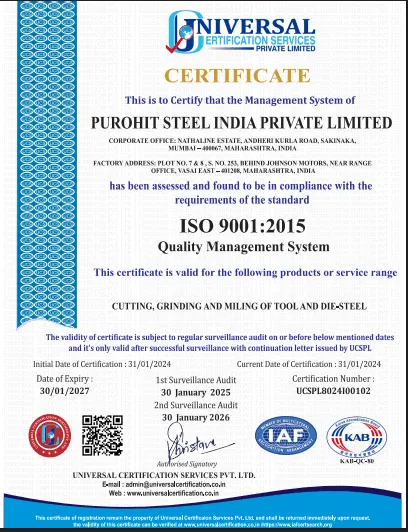
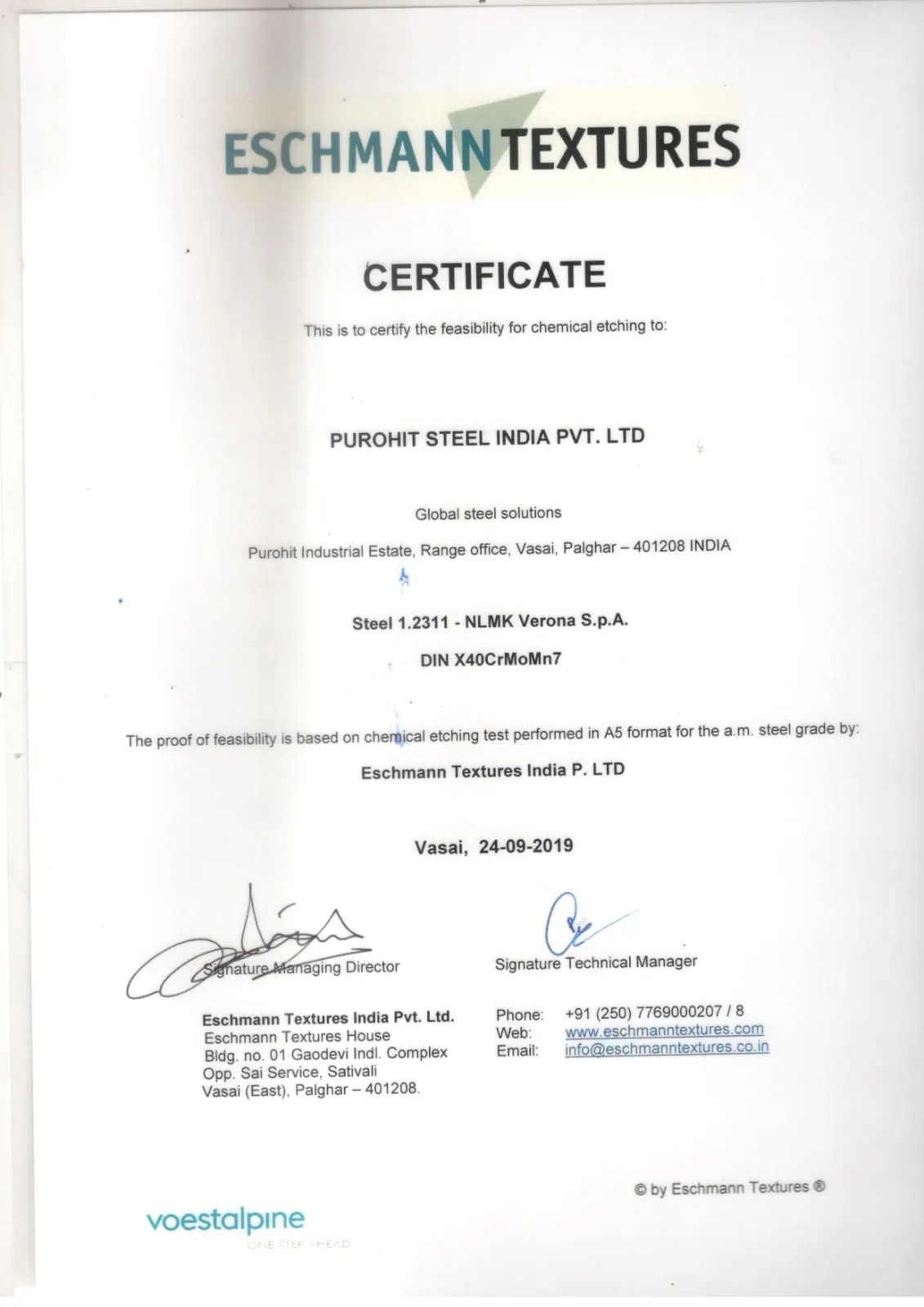
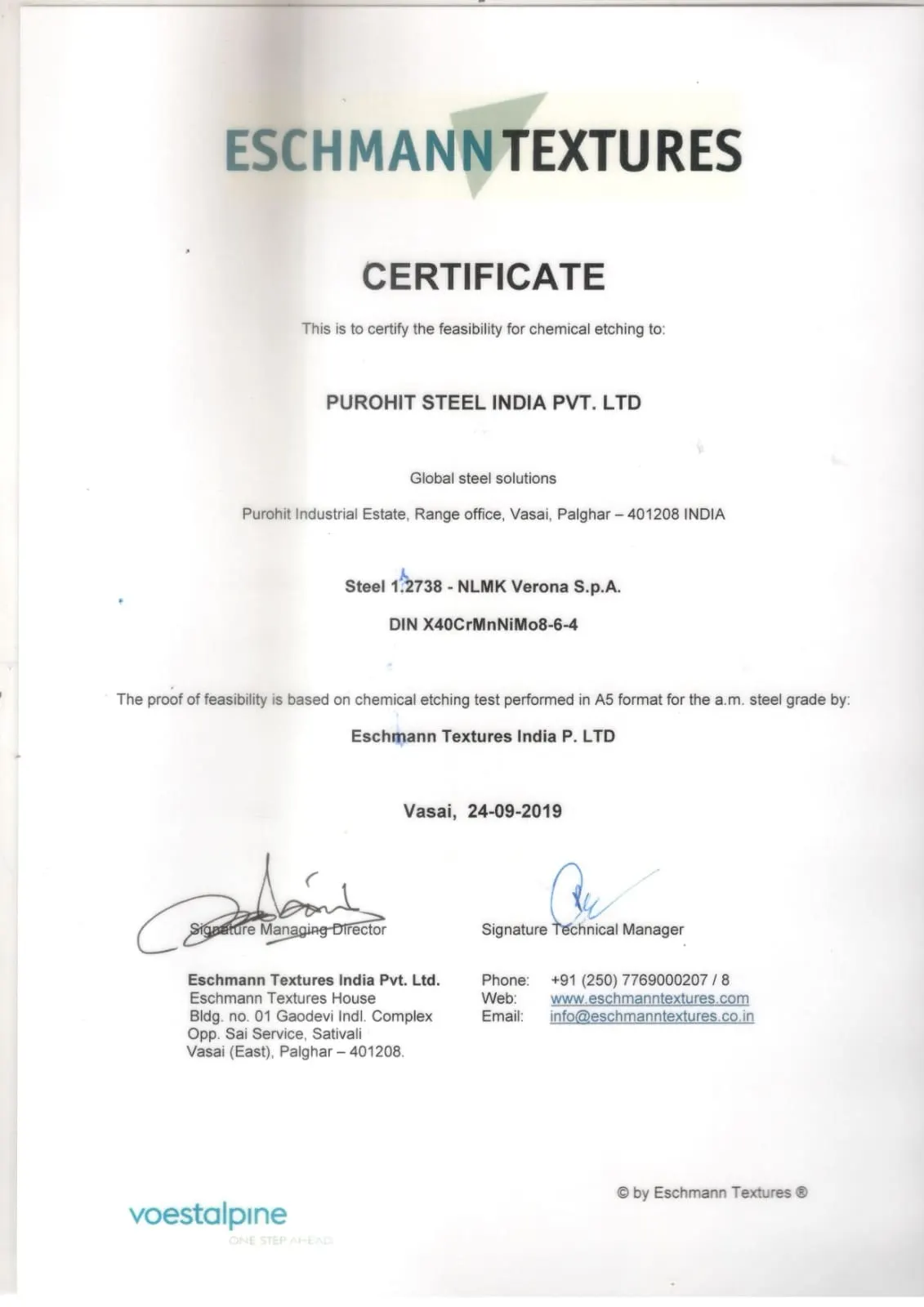
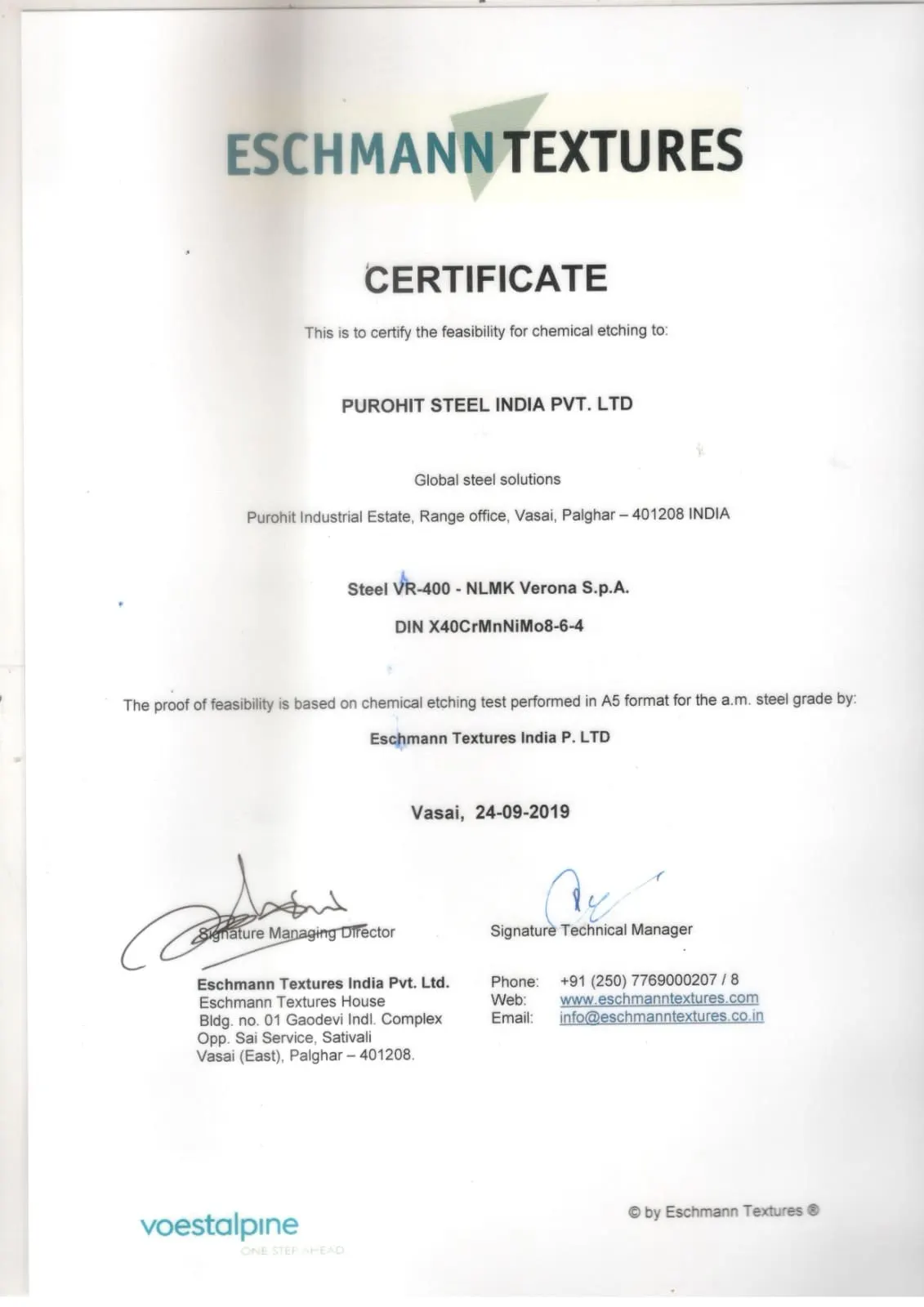
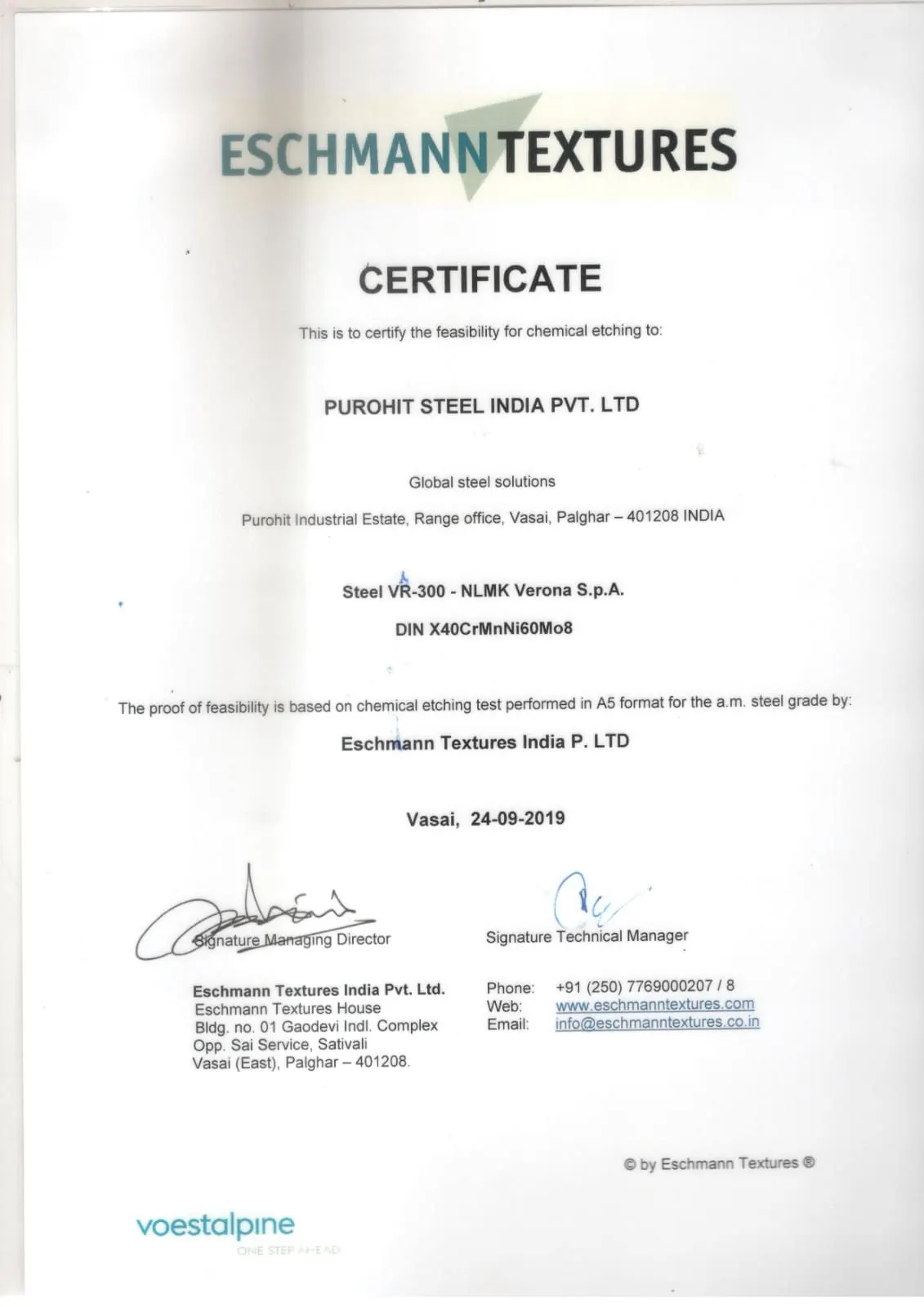
View all certificates in detail on our Certifications page.
Countries We Export Worldwide
Beyond India, Purohit Steel exports toy & mould steel grades to customers across the following countries and regions:
| Export Destinations | |||||
|---|---|---|---|---|---|
| UAE | Saudi Arabia | Oman | Bangladesh | Sri Lanka | Nepal |
| Vietnam | Thailand | Indonesia | Kenya | Nigeria | South Africa |
For export enquiries and destination-specific documentation, please contact our sales team.
Export Packaging & Shipping
Bars, flats and blocks are packed to withstand handling, transit and marine shipment, whether for domestic dispatch or export orders.
- Palletised and strapped packing for round bars, flat bars and blocks
- Moisture-protected wrapping to prevent surface corrosion in transit
- Seaworthy export packing with clear shipping marks and material identification
- Documentation support including packing lists, invoices and mill test certificates for customs clearance
- Shipment by road, rail or sea freight as per order requirement and destination
Quality Inspection & Testing
Every batch held in our stock is checked through documented inspection procedures before dispatch, so toy mould makers and OEMs receive material with verified, traceable quality.
- Chemical composition verification against mill certificates
- Hardness testing (Brinell / Rockwell) on received stock
- Dimensional inspection as per standard bar and block tolerances
- Visual and surface defect inspection
- EN 10204 2.2 / 3.1 mill test certificates provided on request
- Third-party inspection coordination available for export orders
Full material traceability is maintained from incoming stock through to dispatch for every order.
Latest Price List
Pricing depends on section size, quantity, form (round bar / flat bar / block) and current raw material rates. Indicative guidance is below — contact us for a firm, up-to-date quotation.
| Form | Typical Price Basis |
|---|---|
| Round Bar | Per Kg, based on diameter & length — contact for latest rate |
| Flat Bar / Plate | Per Kg, based on thickness & size — contact for latest rate |
| Block (cut to size) | Per Kg / Per Piece, based on drawing — contact for latest rate |
Prices are subject to change with raw material and freight costs. Share your required size and quantity via the quotation form or WhatsApp for the latest price.
MOQ & Payment Terms
Minimum Order Quantity: Flexible MOQ depending on size and form — from small trial quantities for toy tooling houses up to bulk orders for OEMs, subject to confirmation at enquiry stage.
Payment Terms: Advance payment / part-advance with balance before dispatch for domestic orders; T/T (bank transfer) or Letter of Credit (LC) for export orders, depending on order value and destination.