
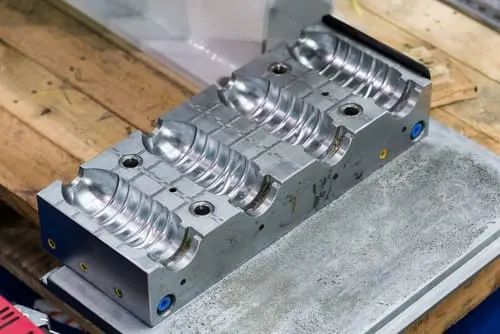
Choosing the right injection mould steel comes down to matching cavity and core material to production volume, plastic type and the surface finish the moulded part needs — not simply picking whatever grade is on the shelf. Purohit Steel is one of the leading Injection Mould Steel Stockists in India, holding ready stock of cavity and core steel from general-purpose P20 through to corrosion-resistant stainless mould steel, so mould makers can specify the grade that actually fits the job.
This buyer's guide explains what matters when selecting injection mould steel and gives a straight decision table mapping mould requirement to the recommended Purohit Steel grade, with links through to full technical data on each grade page. We are an authorized dealer and stockist of NLMK Verona and SeAH CSS, two globally recognized tool steel manufacturers.
Table of Contents
- 1. What Matters When Choosing Injection Mould Steel
- 2. Why Purohit Steel for Injection Mould Steel
- 3. Which Grade Should You Choose
- 4. Hardness & Hardenability
- 5. Polishability & Surface Finish
- 6. Corrosion Resistance by Plastic Type
- 7. Machinability & Lead Time
- 8. Beyond Injection Moulds
- 9. Applications & Industries
- 10. Related Products
- 11. Authorized Stockist Brands
- 12. Cities We Supply in India
- 13. Our Services
- 14. Frequently Asked Questions
- 15. About Purohit Steel
- Our Certifications
- Countries We Export Worldwide
- Export Packaging & Shipping
- Quality Inspection & Testing
- Latest Price List
- MOQ & Payment Terms
- People Also Search For
What Matters When Choosing Injection Mould Steel
Injection mould cavities and cores work under repetitive, high-pressure cycles, so the steel behind them has to satisfy several requirements at once. The weight given to each depends on the part, the plastic and the production run:
- Production volume / shot count: A short-run prototype mould can use a lower-cost grade; a high-cavity, mass-production tool running millions of shots needs a grade engineered for consistent hardness and wear resistance over long service life.
- Plastic type & corrosivity: Commodity resins like PP, PE and ABS are benign, but PVC, flame-retardant compounds and some engineering plastics release corrosive by-products during moulding that attack unprotected cavity steel.
- Cavity size & section thickness: Large mould blocks need hardness and toughness to hold uniformly from surface to core, not just on the outer skin, which is where hardenability becomes the deciding factor.
- Surface finish / cosmetic requirement: Mirror-polished or high-gloss parts demand a clean, inclusion-free microstructure that polishes consistently, which is why ESR-refined grades are specified for cosmetic and optical components.
- Cycle time & thermal conductivity: Faster cycling and shorter cooling times reduce cost-per-part, so the steel's response to cooling-channel design and its resistance to thermal fatigue both matter for high-volume tooling.
Getting this balance wrong shows up later as premature cavity wear, rust pitting in water-cooled channels, inconsistent surface finish, or unnecessary tooling cost from over-specifying a stainless grade where a standard pre-hardened P20 would have done the job.
Why Purohit Steel for Injection Mould Steel
- Full Range, One Supplier: General-purpose, deep-hardening and corrosion-resistant injection mould steel grades all stocked under one roof
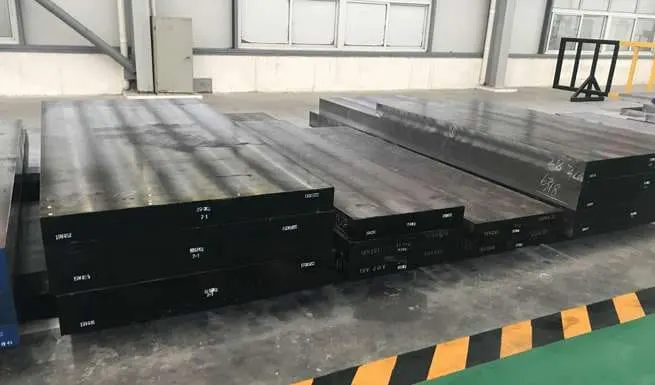
- Ready Stock: Round bar, flat bar and block sizes held in inventory for immediate dispatch
- ISO-Certified Quality: Documented quality management since 1965
- Authorized Stockist: Sourced through globally reputed manufacturers, including NLMK Verona and SeAH CSS
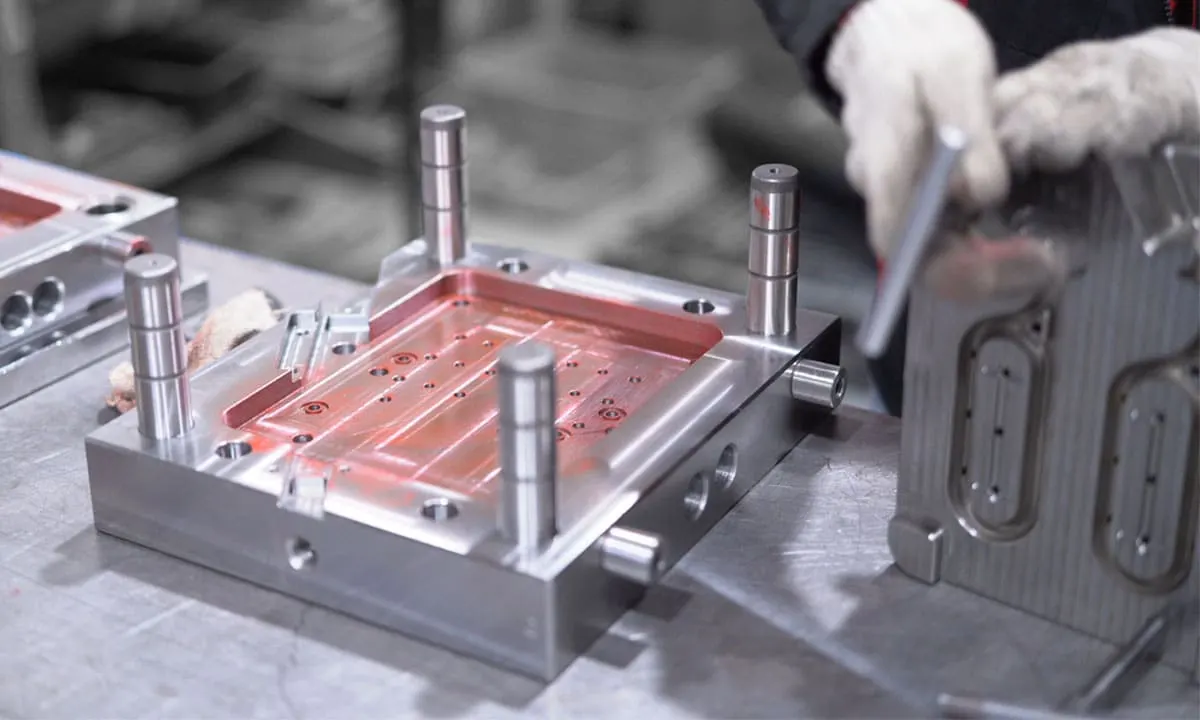
- Value-Added Machining: In-house bandsaw cutting, precision machining, grinding, drilling, gun drilling, EDM and wire-cut
- Technical Support: Grade-selection guidance based on shot count, plastic type and finish requirement
- Pan-India & Export Supply: Warehousing in Vasai with a sales outlet in Mumbai, serving customers across India and international markets, including export-ready packaging
Which Grade Should You Choose — Injection Mould Requirement to Recommended Grade
Use the table below as a starting point, then confirm against the specific plastic and part requirements on each grade's full technical page.
| Requirement | Recommended Grade | Link |
|---|---|---|
| General-purpose moulds, medium production runs | Grade 1.2311 (P20) | View Grade → |
| Large mould blocks needing deep, uniform hardenability | Grade 1.2738 (P20+Ni) | View Grade → |
| Corrosive plastics (PVC, flame-retardant ABS), humid / food-contact environments | Grade 1.2083 ESR | View Grade → |
| Water-cooled cavities / corrosion-prone environments | Grade 1.2085 | View Grade → |
| Premium stainless mould steel, high polish + corrosion resistance | Grade VR 16 / VR 16 HH | VR 16 / VR 16 HH |
| High cavity-count / high-volume mass production tooling | Grade VR 300 / VR 400 | VR 300 / VR 400 |
This is a general guide, not a substitute for reviewing the full chemical composition and mechanical property data on each grade page before finalising a specification.
Hardness & Hardenability
1.2311, 1.2738, 1.2083 ESR, 1.2085, VR16 and VR300/VR400 are all supplied pre-hardened (quenched and tempered), broadly across a 280-340 HB range, so mould cavities and cores can be machined directly without a separate hardening cycle. The difference between grades is how uniformly that hardness holds through the section: base 1.2311 suits small and medium cavity blocks, 1.2738 adds nickel for deeper hardenability in larger blocks, and VR300/VR400 are engineered specifically for uniform through-hardness in large, high-cavity-count mould bases.
For localised wear resistance on cavity and core surfaces, 1.2311 and 1.2738 both respond well to gas or plasma nitriding, raising surface hardness to roughly 55-60 HRC while keeping the core tough — useful for extending cavity life on high-shot-count tooling.
Polishability & Surface Finish
Cosmetic and appearance-critical injection-moulded parts — consumer electronics housings, cosmetic packaging, automotive trim — need a cavity that polishes to a consistent, defect-free mirror or near-mirror finish. This depends on a clean, inclusion-free microstructure, which is exactly what ESR (Electro-Slag Remelting) refining delivers: it removes non-metallic inclusions and produces a more homogeneous structure than conventionally melted steel, making 1.2083 ESR and premium stainless grades such as VR16 HH the preferred choice for high-gloss injection mould cavities. Standard 1.2311 and 1.2738 take a good working polish and are perfectly adequate for functional and textured parts where mirror-grade finish is not required.
Corrosion Resistance by Plastic Type
Base Cr-Mn-Mo mould steels such as 1.2311 and 1.2738 have low inherent corrosion resistance. This is fine for benign commodity resins (PP, PE, ABS, PS) processed in a dry environment, but becomes a real risk with:
- PVC and flame-retardant compounds (including flame-retardant ABS), which can release corrosive by-products such as HCl during injection moulding that attack unprotected cavity steel over repeated cycles.
- Water-cooled cavities, where cooling channels in a base steel are prone to rust and scale build-up over time, restricting flow and hurting cycle time.
- Humid plant environments and food-contact / medical-packaging moulds, which are also cleaned and sterilised frequently with chemicals that attack unprotected steel.
For these situations, step up to a corrosion-resistant grade: 1.2085 for water-cooled cavities and corrosion-prone environments, 1.2083 ESR where corrosive plastics and a high-polish finish are both required, or a premium stainless grade such as VR16 / VR16 HH for maximum corrosion resistance combined with high polish.
Machinability & Lead Time
Because 1.2311, 1.2738, 1.2083 ESR, 1.2085, VR16 and VR300/VR400 all arrive pre-hardened, mould makers can rough and finish-machine cavities and cores directly, without waiting on a heat-treatment cycle or managing the distortion risk that comes with post-machining hardening. This keeps injection mould project lead times predictable, which is often as important to a tool room as the steel's raw material cost.
Standard HSS or coated carbide tooling at moderate cutting speeds works well across this hardness range; adequate coolant is recommended to avoid locally tempering the pre-hardened surface during heavy cuts. Purohit Steel's in-house bandsaw cutting, machining, grinding, drilling, gun drilling, EDM and wire-cut services can take blocks from raw bar to near-finished cavity, reducing the work mould makers need to outsource.
Beyond Injection Moulds
While this guide is centred on injection mould cavity and core selection, the same pre-hardened grades — 1.2311, 1.2738, 1.2083 ESR, 1.2085, VR16 and VR300/VR400 — are also used for blow moulds and low-pressure die-casting dies, where moderate service temperature and a pre-hardened, machinable steel are acceptable. For dies that see sustained high temperature, thermal cycling or impact loading — gravity or pressure die casting, forging, and aluminium extrusion — a dedicated hot-work tool steel from our Hot Work Tool Steel range is the correct choice instead.
Applications & Industries
- Plastic injection mould cavities, cores and mould bases
- Blow moulds and low-pressure die-casting dies
- Automotive interior and exterior plastic component moulds
- Packaging, household and consumer product moulds
- Electrical & electronics housings, switches and connector moulds
- Appliance component moulds
- Medical, cosmetic and food-contact packaging moulds
Industries We Serve
- Automotive industry
- Packaging industry
- Consumer goods production
- Electrical & electronics industry
- Appliance manufacturing
- Medical & food-contact packaging
Authorized Stockist



Injection Mould Steel Supply Locations Across India
We supply Injection Mould Steel across major industrial cities including Mumbai, Pune, Khopoli, Nashik, Aurangabad, Navi Mumbai, Palghar, Umbergaon, Vapi, Valsad, Daman, Vadodara, Ahmedabad, Rajkot, Hyderabad, Bangalore, Chennai, Cochin, Delhi, Gurgaon, Manesar and Sonipat — as well as to export markets.
Our Steel Products
Our Services
Frequently Asked Questions
About Purohit Steel
Purohit Steel was established in 1965 by Shree Bherumalji Rajpurohit, a visionary in metallurgy. Over the decades, we have built a strong reputation as a trusted stockist and exporter of tool steel, injection mould steel and engineering steel products across India.
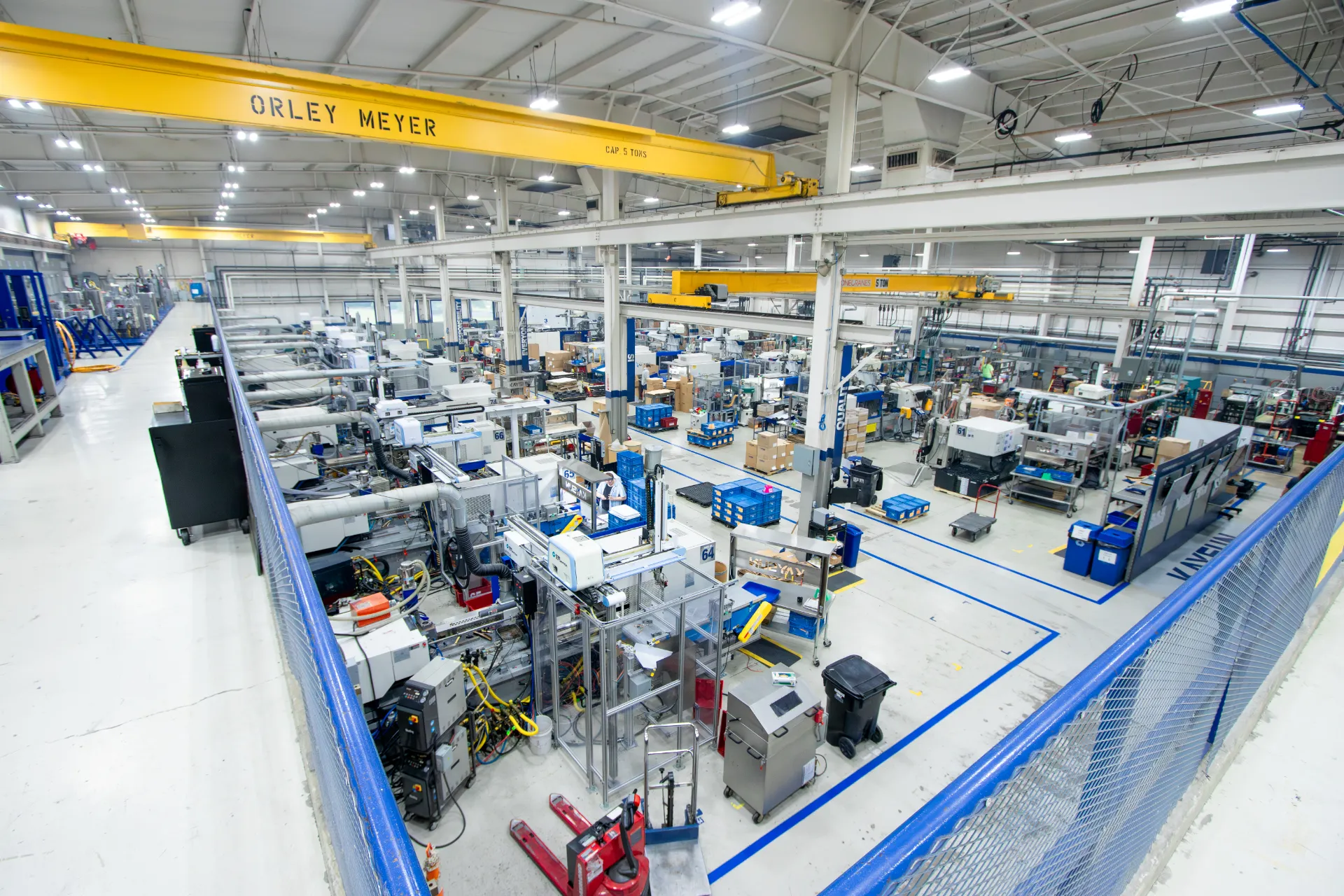
As an ISO-certified company, we source premium materials from globally reputed manufacturers and operate a modern warehousing facility in Vasai along with a sales outlet in Mumbai, enabling efficient storage, fast processing and timely delivery across India and export markets.
Read more about Purohit Steel, view our certifications, or get in touch with our technical sales team.
Our Certifications
Purohit Steel operates as an ISO-certified company, backed by documented quality management, safety and compliance certifications that support reliable supply to domestic and export customers.
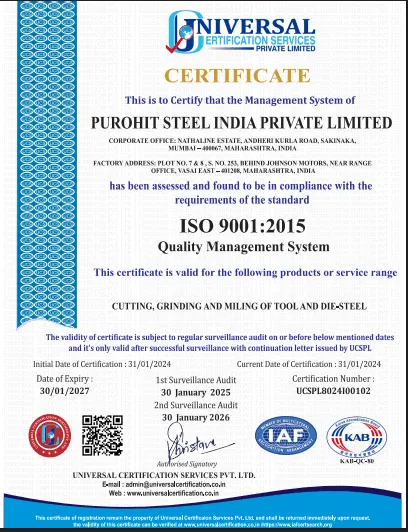
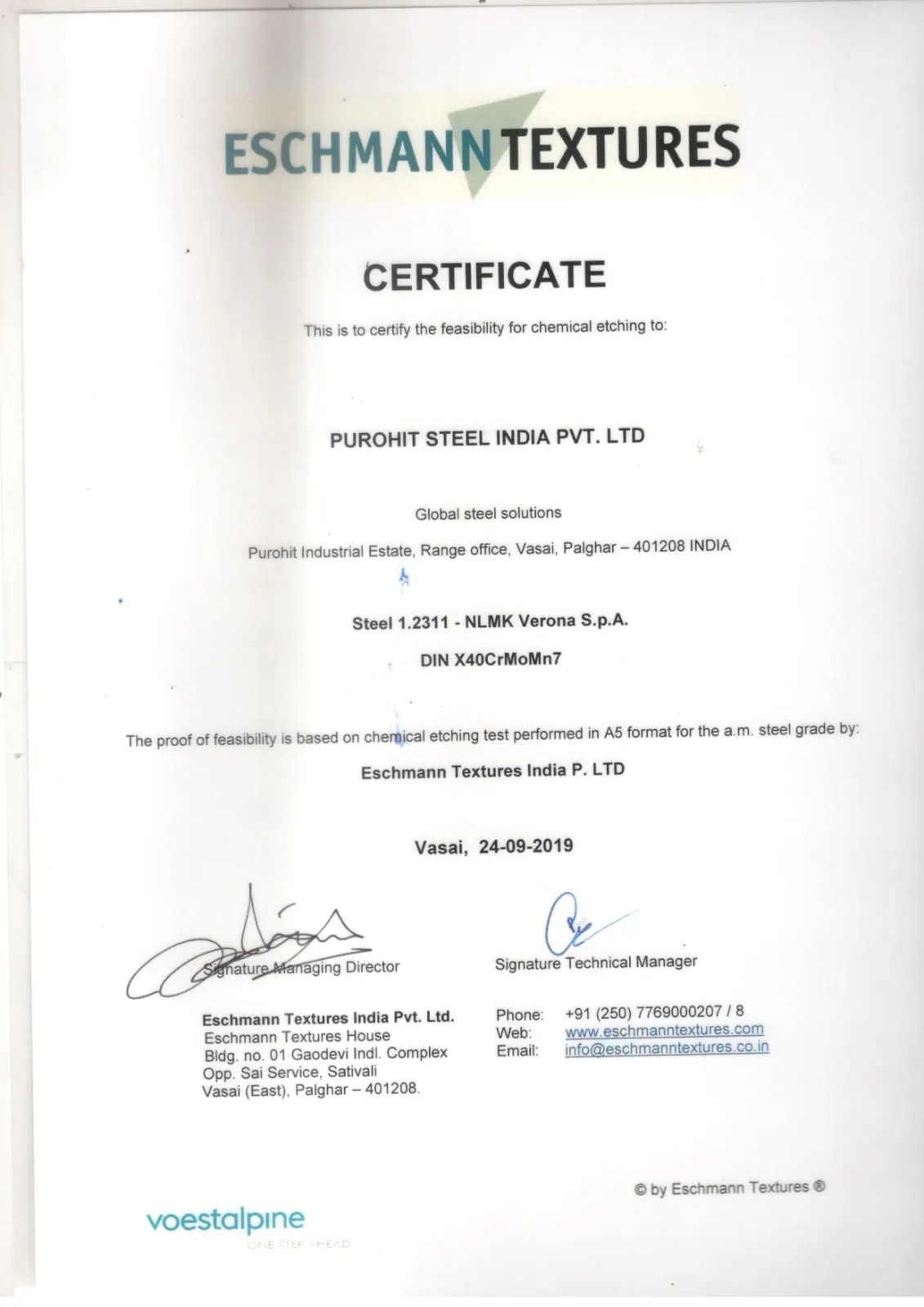
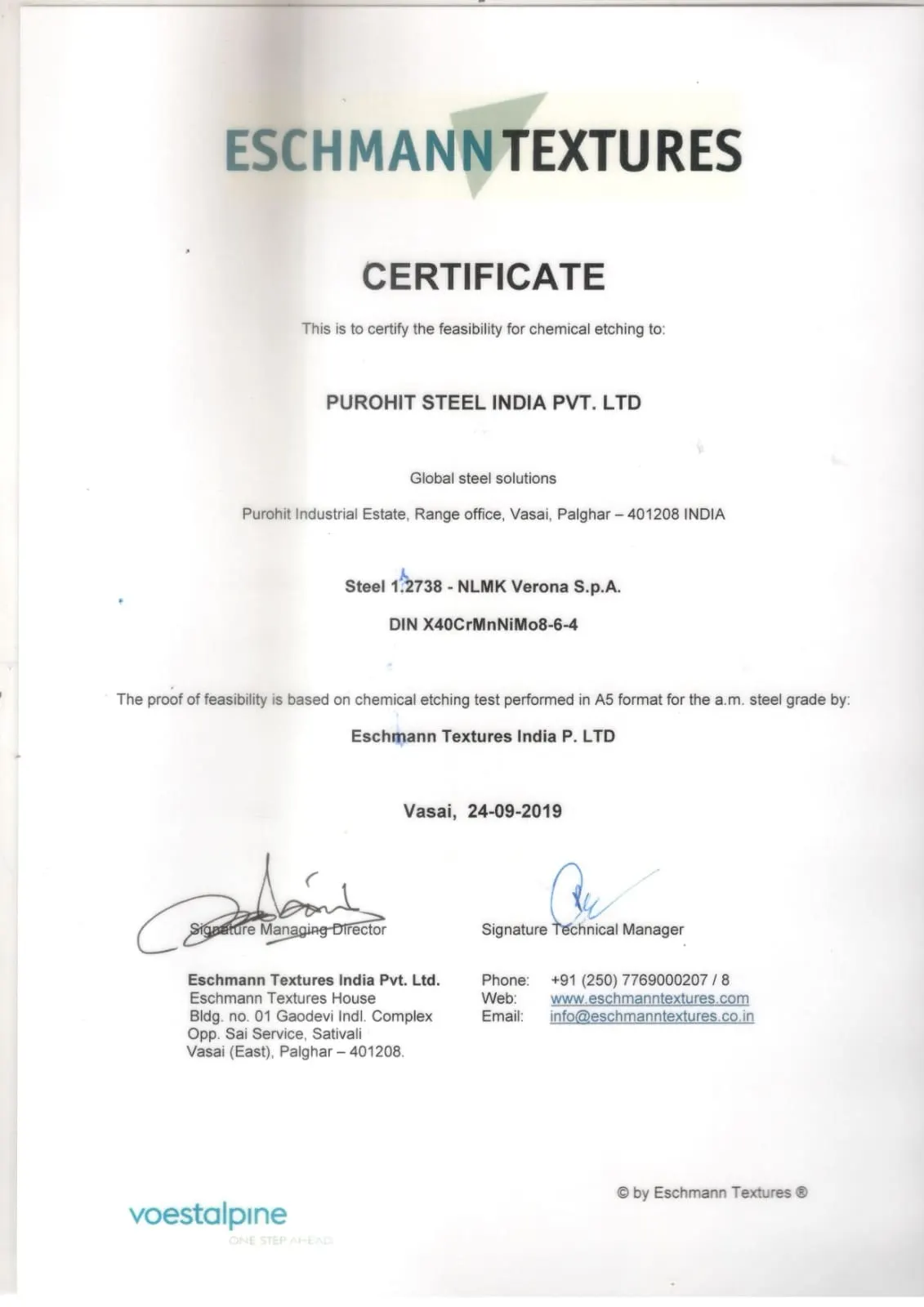
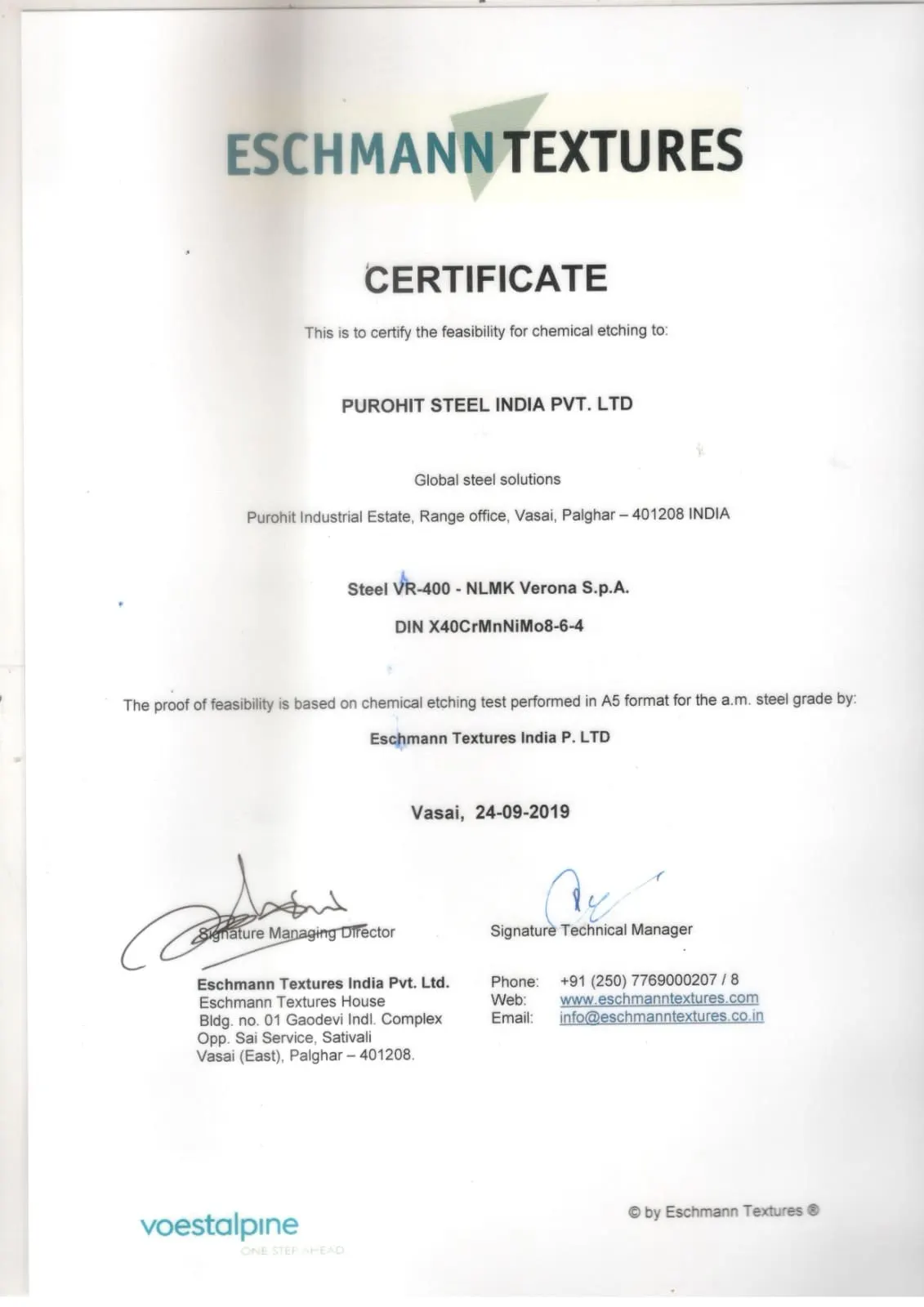
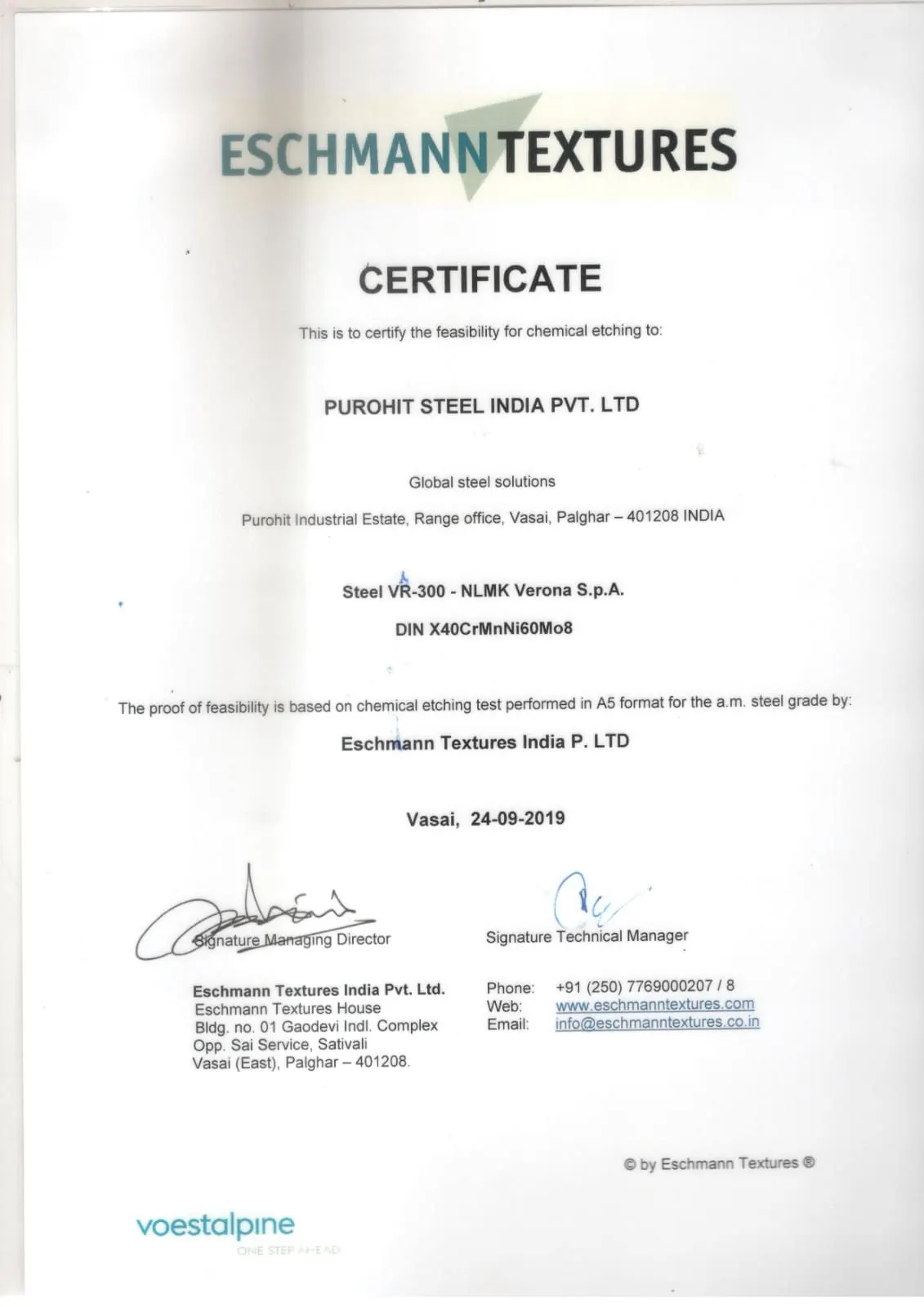
View all certificates in detail on our Certifications page.
Countries We Export Worldwide
Beyond India, Purohit Steel exports injection mould steel grades to customers across the following countries and regions:
| Export Destinations | |||||
|---|---|---|---|---|---|
| UAE | Saudi Arabia | Oman | Bangladesh | Sri Lanka | Nepal |
| Vietnam | Thailand | Indonesia | Kenya | Nigeria | South Africa |
For export enquiries and destination-specific documentation, please contact our sales team.
Export Packaging & Shipping
Bars, flats and blocks are packed to withstand handling, transit and marine shipment, whether for domestic dispatch or export orders.
- Palletised and strapped packing for round bars, flat bars and blocks
- Moisture-protected wrapping to prevent surface corrosion in transit
- Seaworthy export packing with clear shipping marks and material identification
- Documentation support including packing lists, invoices and mill test certificates for customs clearance
- Shipment by road, rail or sea freight as per order requirement and destination
Quality Inspection & Testing
Every batch held in our stock is checked through documented inspection procedures before dispatch, so mould makers and OEMs receive material with verified, traceable quality.
- Chemical composition verification against mill certificates
- Hardness testing (Brinell / Rockwell) on received stock
- Dimensional inspection as per standard bar and block tolerances
- Visual and surface defect inspection
- EN 10204 2.2 / 3.1 mill test certificates provided on request
- Third-party inspection coordination available for export orders
Full material traceability is maintained from incoming stock through to dispatch for every order.
Latest Price List
Pricing depends on section size, quantity, form (round bar / flat bar / block) and current raw material rates. Indicative guidance is below — contact us for a firm, up-to-date quotation.
| Form | Typical Price Basis |
|---|---|
| Round Bar | Per Kg, based on diameter & length — contact for latest rate |
| Flat Bar / Plate | Per Kg, based on thickness & size — contact for latest rate |
| Block (cut to size) | Per Kg / Per Piece, based on drawing — contact for latest rate |
Prices are subject to change with raw material and freight costs. Share your required size and quantity via the quotation form or WhatsApp for the latest price.
MOQ & Payment Terms
Minimum Order Quantity: Flexible MOQ depending on size and form — from small trial quantities for tooling houses up to bulk orders for OEMs, subject to confirmation at enquiry stage.
Payment Terms: Advance payment / part-advance with balance before dispatch for domestic orders; T/T (bank transfer) or Letter of Credit (LC) for export orders, depending on order value and destination.